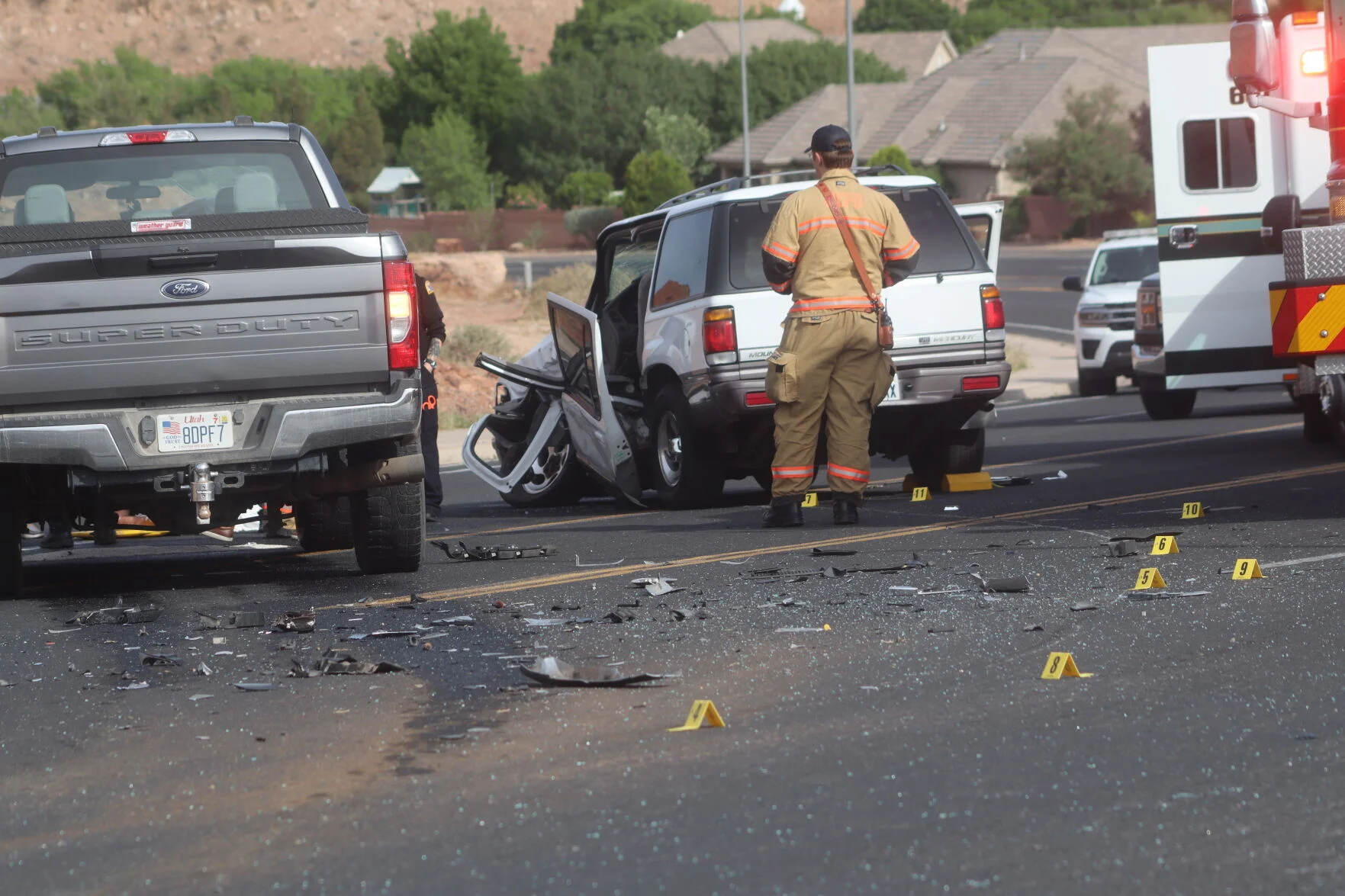
A truck crash changes things in seconds. One loud impact. Twisted metal. Traffic frozen across a DC roadway. Then the questions start piling up.
Who caused the crash?
Was the truck overloaded?
Did the driver skip rest breaks?
Did the company ignore safety rules?
That’s why crash investigations matter so much in Washington, DC. A normal car accident may involve two drivers and an insurance company. A truck accident? That can involve the driver, trucking company, cargo loaders, repair crews, and even outside contractors. Honestly, it gets messy fast. And while victims are trying to heal, trucking companies often move quickly to protect themselves.
The First Few Hours Matter Most
After a serious truck accident, evidence can disappear quickly. Tire marks fade. Cameras get erased. Truck data may be lost if nobody acts fast. That’s why investigators move quickly. Police officers usually secure the scene first. They document vehicle positions, road damage, weather, and witness statements. In DC, crash reports can become a major piece of evidence later. But here’s the thing — police reports rarely tell the whole story. Private investigators and legal teams often dig much deeper.
What Investigators Actually Look For
Truck accident investigations work almost like putting together a puzzle. Every detail matters. Investigators may review:
- Black box data from the truck
- Driver logbooks
- GPS tracking records
- Dashcam footage
- Cell phone activity
- Maintenance reports
- Cargo loading records
- Toxicology reports
- Traffic camera footage
Some trucks store speed, braking, and steering data seconds before impact. It’s similar to an airplane flight recorder. And sometimes that data changes everything. A driver may claim they slowed down. The truck’s system might show otherwise.
Driver Fatigue — A Huge Problem
Truck drivers spend long hours on the road. Federal rules limit driving time, but not every company follows them carefully. Fatigue causes slower reaction times. Poor judgment too. Picture trying to focus during a late-night highway drive after barely sleeping. Now imagine controlling an 80,000-pound truck. That’s scary. Investigators often check:
- Rest break records
- Electronic logging devices
- Fuel receipts
- Toll records
- Delivery schedules
These records can reveal whether a driver stayed on the road too long.
Sometimes the Trucking Company Shares the Blame
People often assume the driver alone caused the crash. That’s not always true. A trucking company may pressure drivers to meet impossible deadlines. Some companies skip repairs to save money. Others hire drivers with weak safety records. That opens the door to bigger legal claims. A strong investigation can uncover patterns of careless behavior inside the company itself. And juries notice that.
Washington, DC Roads Add Extra Challenges
Driving in DC isn’t easy. Tight streets. Heavy traffic. Sudden stops. Tour buses. Cyclists. Pedestrians everywhere. One wrong move from a large truck can create a chain reaction. Certain areas see more truck traffic than others, especially near:
- Interstate 295
- New York Avenue
- South Capitol Street
- The I-395 corridor
Rainy weather also plays a role. Slick roads increase stopping distance for large trucks. Even skilled drivers struggle sometimes. Still, trucking companies must prepare for these conditions.
The Role of Expert Witnesses
Truck crash cases often involve experts. A lot of them. Accident reconstruction specialists may recreate the crash using measurements, photos, and computer software. Medical experts explain injury severity. Economic experts estimate lost income. It can sound overly technical at times. Yet these experts help juries understand what really happened. Think of it like replay analysis in sports. One camera angle never tells the full story.
Serious Injuries Change Lives
Truck crashes often lead to severe injuries because of the size difference between vehicles. Victims may suffer:
- Spinal cord injuries
- Burns
- Brain injuries
- Broken bones
- Internal injuries
Recovery can take months or years. Some people never fully return to work. Others deal with chronic pain long after the crash scene clears. That emotional side matters too. People don’t always talk about it enough.
Why Legal Help Matters After a Truck Accident
Following a collision, insurance firms typically begin constructing their defense right away. Victims should take immediate action to defend themselves. A knowledgeable legal team can assist with that. Many significant auto accident lawsuits are handled by Price Benowitz Accident Injury Lawyers, LLP in Washington, DC. Their lawyers collect documents, collaborate with investigators, and oppose insurance strategies. In times of uncertainty and anxiety, people looking for a DC personal injury lawyer frequently want assistance. In truck accident cases, a good legal approach can have a significant impact. In all honesty, time is more important than most people think.
Don’t Ignore Small Details
Little details often become big evidence later.
A blurry photo.
A short witness statement.
A missed repair record.
Any one of those can shift a case. That’s why thorough investigations matter so much after truck accidents in Washington, DC. The truth usually exists in the details — even the tiny ones people almost overlook.
FAQs
- How long does it take to investigate a truck collision in Washington, DC?
Certain inquiries require weeks. Months may pass in complex cases. Before drawing conclusions, investigators examine documents, check cars, and speak with witnesses. Deeper analysis is typically necessary in cases of serious injuries.
- In a truck accident situation, what does black box data mean?
Prior to an accident, driving data is stored in a truck’s black box. It may display engine activity, steering movements, braking patterns, and speed. Often, this data aids in fault determination.
- Can a trucking business be held accountable for an accident?
Sure. If a trucking business disregarded safety regulations, neglected to maintain its vehicles, or coerced drivers into dangerous schedules, it can be held partially responsible. In a single case, several parties may be accountable.
- What should I do in the event of a DC truck accident?
Get medical attention right now. Notify the crash. Take pictures if you can. Before you are aware of your legal rights, avoid having lengthy conversations with insurance adjusters.
- Why are injuries from truck accidents typically more severe?
Passenger cars are much lighter than commercial trucks. Stronger impacts during collisions are caused by this size differential, increasing the risk of significant injuries and property damage.