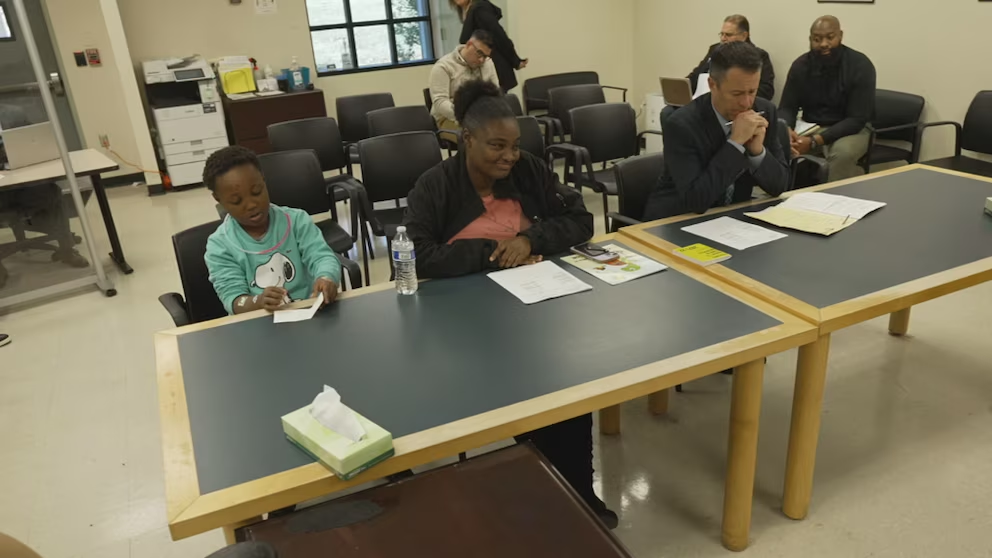
Missing school may seem small at first. A few days here and there. Then weeks pass, grades drop, and students fall behind fast. That’s where truancy courts step in. In Kansas City, truancy court is not just about punishment. It’s about support, structure, and second chances. Families often arrive stressed and frustrated. Schools feel pressure too. Still, the goal stays simple — help students return to class and stay there. Programs tied to Kansas City Specialty Courts focus on long-term change instead of quick penalties. That matters more than people think. Sometimes a student skips school because of bullying. Sometimes it’s anxiety, unstable housing, family stress, or mental health struggles. You know what? Teenagers rarely say those things out loud right away. Truancy court tries to get to the real issue before things spiral further.
School Attendance Is Bigger Than Most People Think
A missed school day affects more than grades. Students who miss class often lose confidence. They stop joining activities. Friendships fade. Over time, dropping out becomes a real risk. That can affect future jobs, income, and even mental health. Teachers notice patterns early. A student misses Mondays often. Another disappears after lunch. Small signs add up. That’s why truancy courts exist. They create accountability, yes, but they also create a support system. Think of it like a GPS rerouting a driver after a wrong turn. The point is getting back on track.
So, What Exactly Is Truancy Court?
Truancy court handles cases involving repeated school absences. These courts usually work with schools, counselors, parents, and local services. The process often includes:
- Attendance reviews
- Meetings with families
- Counseling referrals
- Check-ins with court staff
- School improvement plans
The court may also connect families with food aid, housing help, or mental health care. That part surprises many people. In many cases, students are not “bad kids.” They are overwhelmed kids. That distinction matters. Organizations like Beyond the Bench KC support awareness around specialty courts and their rehabilitative mission. Their work helps communities understand that justice can focus on healing, not only punishment.
The Real Reasons Students Miss School
Every family story looks different. Some students struggle with learning issues that went unnoticed for years. Others care for younger siblings while parents work late shifts. A teenager dealing with panic attacks may avoid crowded hallways every morning. Honestly, attendance problems usually start long before court involvement. Common causes include:
Mental Health Struggles
Anxiety and depression affect school attendance heavily. A student may feel physically sick before class. Parents sometimes mistake it for laziness at first.
Bullying
This remains a major reason students avoid school. Social pressure hits hard during middle and high school years.
Family Stress
Divorce, money problems, unstable housing, or illness at home can disrupt routines quickly.
Transportation Problems
Not every family has reliable transportation. In larger metro areas, getting to school can become a daily battle.
Academic Pressure
Some students fall behind and feel embarrassed returning to class. Missing more school becomes a cycle. That cycle is tough to break alone.
Truancy Court Works Best When Families Feel Heard
Here’s the thing. Parents often fear truancy court before attending. They imagine harsh lectures or punishment. Sometimes they expect blame from everyone in the room. But many specialty court programs take a more balanced approach. Judges, counselors, and school staff often ask practical questions first:
“What’s preventing attendance?”
“What support does this family need?”
“What can realistically improve this situation?”
That changes the tone completely. Students respond better when adults listen instead of immediately threatening consequences. It sounds obvious, yet many families have never experienced that kind of support inside a legal setting.
Kansas City Specialty Courts Focus on Rehabilitation
The philosophy behind Kansas City Specialty Courts centers on addressing root causes. That approach matters for truancy cases because attendance issues rarely exist in isolation. A student struggling with attendance may also face:
- Family court issues
- Substance abuse at home
- Trauma exposure
- Learning disabilities
- Mental health concerns
Specialty courts aim to connect people with services that create stable change over time. That’s where community groups help too. Kansas City Specialty Courts and Beyond the Bench KC both support efforts that focus on accountability mixed with compassion. It’s a little like repairing a cracked foundation before repainting the walls. If the deeper issue stays ignored, the same problems return.
What Happens After Truancy Court?
Progress usually happens step by step. Some students improve attendance within weeks. Others need months of support. Courts may continue monitoring attendance records and school performance for a set period. Families often work with:
- School counselors
- Social workers
- Community programs
- Therapy providers
- Mentors or attendance coaches
Even small improvements matter. A student attending four days instead of one is progress. Courts recognize that. Real life is messy sometimes. And honestly, consistency matters more than perfection.
Why Early Action Matters
The earlier schools and families address attendance issues, the better the outcome. Waiting too long can lead to:
- Lower grades
- Higher dropout risk
- Juvenile court involvement
- Social isolation
- Long-term academic gaps
Parents sometimes hope the issue will “work itself out.” Usually, it doesn’t. Support systems work best before patterns become deeply rooted. That’s why truancy intervention programs remain important across Kansas City schools and courts.
Community Support Makes a Big Difference
No court fixes attendance alone. Students need adults who stay involved — teachers, relatives, coaches, counselors, neighbors. Community support builds stability. That’s part of the mission behind organizations like Beyond the Bench KC. They help raise awareness about specialty courts and the idea that lasting change often starts with support, structure, and accountability working together. Sometimes one caring adult changes everything for a student. Sounds simple, but it’s true.
FAQs
What is a truancy court in Kansas City?
Truancy court handles repeated school absences involving students and families. The court works with schools and support services to improve attendance and address the reasons behind missed classes.
Can parents get in trouble for a child missing school?
Yes, repeated unexcused absences can lead to legal action. Still, many truancy courts focus first on helping families solve problems affecting attendance before stronger penalties are considered.
How does Kansas City Specialty Courts help students?
Kansas City Specialty Courts connect students and families with counseling, supervision, and community resources. Their goal is long-term improvement, not just punishment.
What causes chronic school absences?
Common causes include bullying, mental health struggles, transportation problems, family stress, and academic difficulties. Each student situation is different.
Can truancy problems be fixed without severe punishment?
Yes. Many students improve through counseling, mentoring, school support, and family involvement. Specialty courts often focus on rehabilitation and accountability together.